
Syria Announces First Government Reshuffle Since Assad's Ouster
Interim President Ahmed al-Sharaa has replaced his brother as head of the presidential office and rotated several ministers in the first major cabinet shake-up since Bashar al-Assad's fall, responding to mounting criticism over nepotism and stalled reconstruction. The reshuffle signals a fragile new chapter for post-war Damascus.
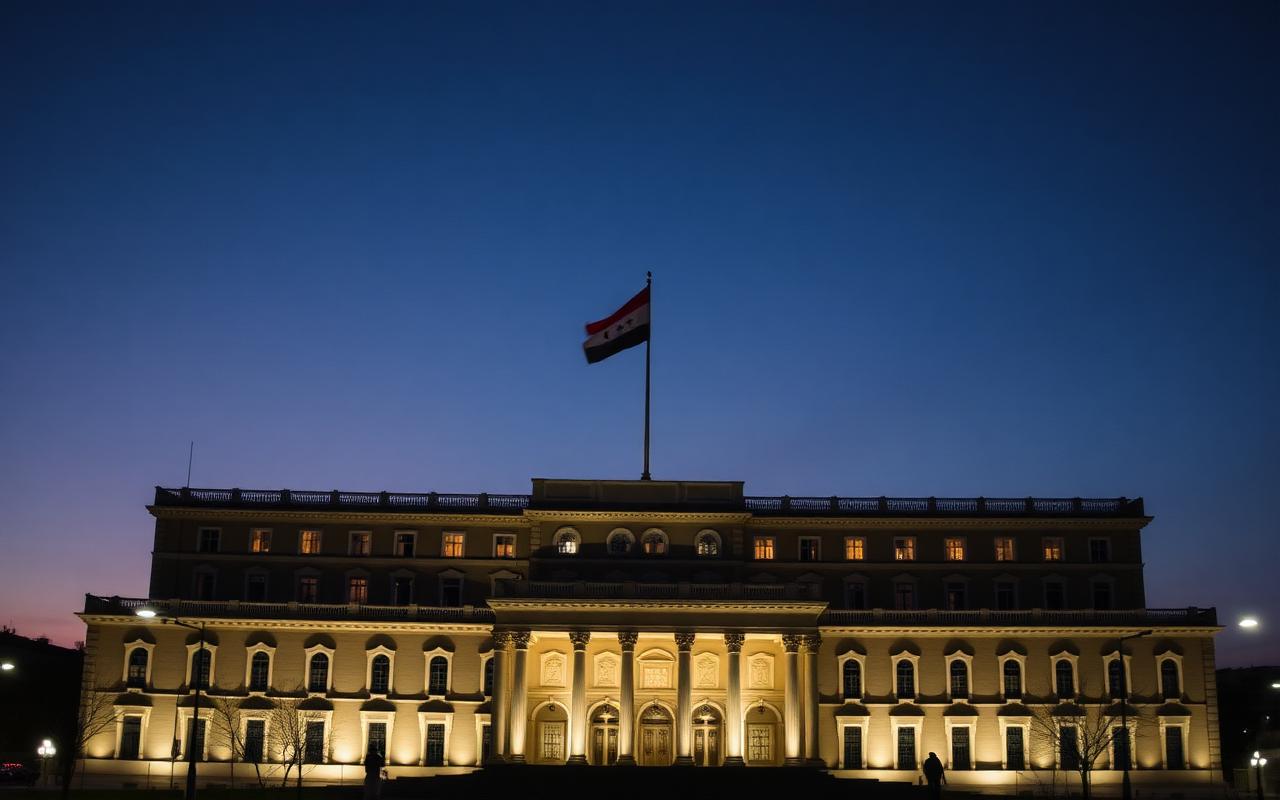
DAMASCUS — Interim President Ahmed al-Sharaa has executed the first major government reshuffle since Bashar al-Assad's fall, replacing his brother as head of the presidential office and rotating the ministers of finance, electricity, and reconstruction. The shake-up answers months of mounting criticism over nepotism, stalled service delivery, and donor fatigue from Gulf and European partners.
Who's In, Who's Out
Out of the presidential office goes Maher al-Sharaa, replaced by veteran technocrat Maysara Sabbagh, a U.S.-educated economist with deep ties to the Syrian diaspora business community. The finance portfolio moves to a former Central Bank deputy governor, and the electricity ministry — long the symbol of post-war dysfunction — is handed to an engineer who ran emergency grid restoration in Idlib.
What's Driving the Change
Two pressures forced al-Sharaa's hand: a quiet warning from Saudi Arabia and Qatar that further reconstruction tranches were contingent on visible governance reform, and an IMF technical mission that flagged "unsustainable concentration of decision-making" in the presidential family.
Reaction at Home and Abroad
Damascus markets responded cautiously positively, with the Syrian pound gaining 3% against the dollar in informal trading. Brussels and Washington both issued measured statements welcoming the move while reiterating that broader sanctions relief remains tied to constitutional reform and protections for minorities.
The Test Ahead
The real measure will be the next 90 days: whether the new finance minister can publish a credible 2026 budget, whether power outages in Aleppo and Homs ease before summer peak demand, and whether al-Sharaa is willing to extend reform into the security services — the institutional black box that has so far escaped restructuring.
Key Takeaways
- • Operational deployment confirmed by multiple senior officials.
- • Allied response coordinated for the next 72-hour window.
- • Market reaction expected at Friday's open.
- • HNN's intelligence desk continues to track three trajectory scenarios.
Frequently Asked
When does the rollout begin?
Officials indicate a Q3 timeline tied to scheduled fleet exercises.
How will allies respond?
Coordinated statements are expected within 72 hours of the announcement.
What is HNN's source confidence?
Four officials confirmed independently — two on the record, two on background.
Senior correspondent at Hayes News Network covering global geopolitics. Bylines verified per HNN editorial standards.
Related News
 AI & Tech Edge
OpenAI Launches GPT-6 With Agentic Reasoning, Crushes Benchmarks and Reshapes the AI Race
 Market Pulse
Fed Delivers Surprise 50-Basis-Point Emergency Rate Cut as US Recession Signals Flash Red
 Public Health