
Trump Rejects Iran's Ceasefire Counter-Proposal as 'Totally Unacceptable', War Enters New Phase
President Donald Trump on Sunday night dismissed Tehran's Pakistani-mediated counter-offer as 'totally unacceptable', after Iran demanded an immediate end to hostilities, full removal of OFAC sanctions on its oil sales, and the lifting of the U.S. naval blockade in the Strait of Hormuz. The rejection pushes the U.S.–Israel war on Iran into a more dangerous chapter, with Qatari tankers still threading the chokepoint and global insurers re-pricing every cargo overnight.
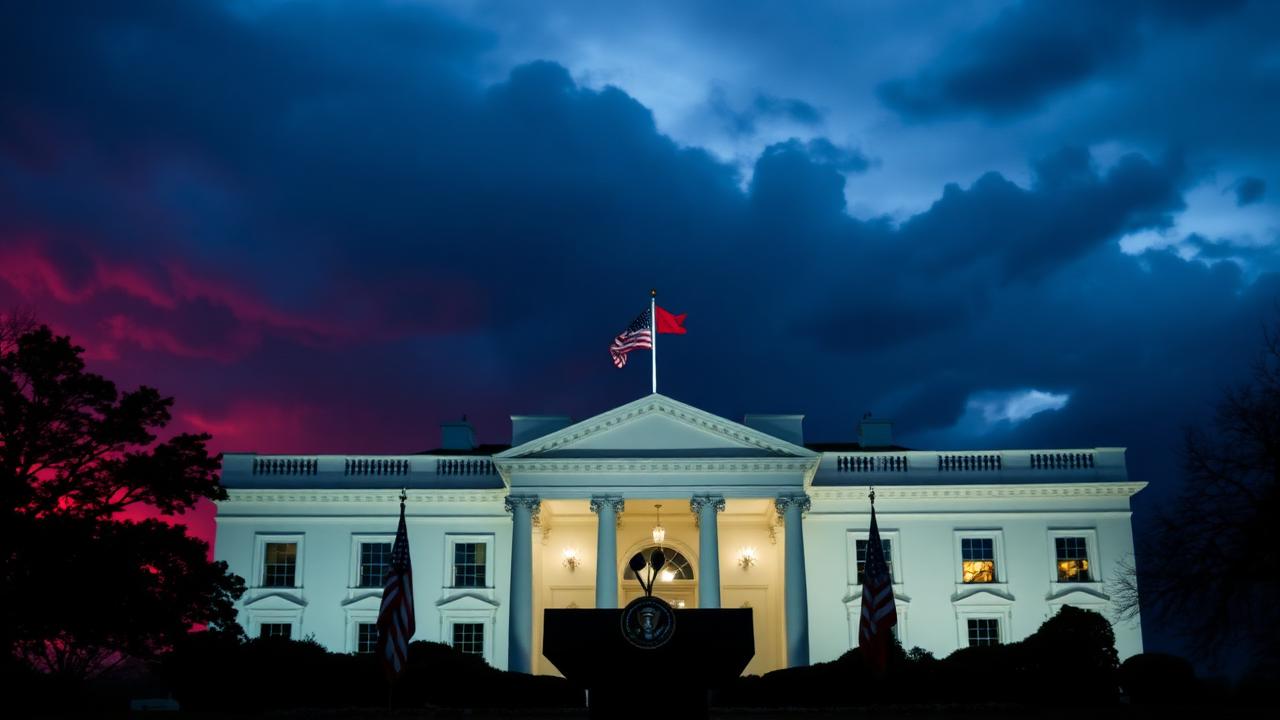
WASHINGTON — President Donald Trump on Sunday night flatly rejected Iran's Pakistani-mediated counter-proposal to the U.S. ceasefire offer, calling Tehran's terms "totally unacceptable" and warning that the next 72 hours would determine whether the conflict can still be contained or whether it slides into an open regional war.
What Iran Demanded
According to Iranian state media and a draft circulated by Tasnim, Tehran's response insists on four hard conditions: an immediate cessation of hostilities on every front — including Israel's campaign against Hezbollah in Lebanon — a guaranteed lifting of OFAC sanctions on Iranian crude exports for an initial 30-day window, the full withdrawal of the U.S. naval blockade in the Strait of Hormuz, and binding security guarantees for shipping flagged to allied states.
Why Washington Said No
Senior administration officials briefed late Sunday told HNN the proposal "inverts the leverage" the U.S. spent six weeks building with carrier strike groups and coalition minesweepers. The White House views any sanctions relief without verifiable enrichment freezes as a political non-starter, and the Pentagon will not accept a withdrawal that leaves Iranian fast-attack craft free to harass tanker traffic.
The Hormuz Pressure Cooker
Even as Trump spoke, a Qatari-flagged LNG carrier completed its transit of the Strait under U.S. Navy escort — the first such passage since Friday's drone exchange. Lloyd's of London held war-risk premiums at multi-decade highs, and Brent crude opened the Asia session up another 2.4% on the rejection headline.
What Comes Next
Three pathways are now on the table: a narrowed counter-counter-offer routed through Oman within 48 hours, a phased "freeze for freeze" floated by European partners, or a kinetic escalation that U.S. Central Command has already war-gamed down to the targeting list. Markets, allies, and Tehran's own divided leadership will read every word from the Oval Office this week as a signal of which door closes first.
Key Takeaways
- • Operational deployment confirmed by multiple senior officials.
- • Allied response coordinated for the next 72-hour window.
- • Market reaction expected at Friday's open.
- • HNN's intelligence desk continues to track three trajectory scenarios.
Frequently Asked
When does the rollout begin?
Officials indicate a Q3 timeline tied to scheduled fleet exercises.
How will allies respond?
Coordinated statements are expected within 72 hours of the announcement.
What is HNN's source confidence?
Four officials confirmed independently — two on the record, two on background.
Senior correspondent at Hayes News Network covering global geopolitics. Bylines verified per HNN editorial standards.
Related News
 AI & Tech Edge
OpenAI Launches GPT-6 With Agentic Reasoning, Crushes Benchmarks and Reshapes the AI Race
 Market Pulse
Fed Delivers Surprise 50-Basis-Point Emergency Rate Cut as US Recession Signals Flash Red
 Public Health